
How Window Tinting Helps Reduce Heat Inside Dubai Homes
Dubai is known for its intense sunshine and high temperatures, particularly during the summer months. While air conditioning helps keep homes comfortable, constant cooling can significantly increase energy consumption and electricity costs. One practical way to reduce the amount of heat entering your home is through professionally installed window tinting.
Heat reduction window tint in Dubai can help block a substantial portion of solar heat while still allowing natural daylight into your living spaces. It can also improve indoor comfort, reduce glare, and provide additional protection for furniture and flooring.
How Does Window Tinting Reduce Heat?
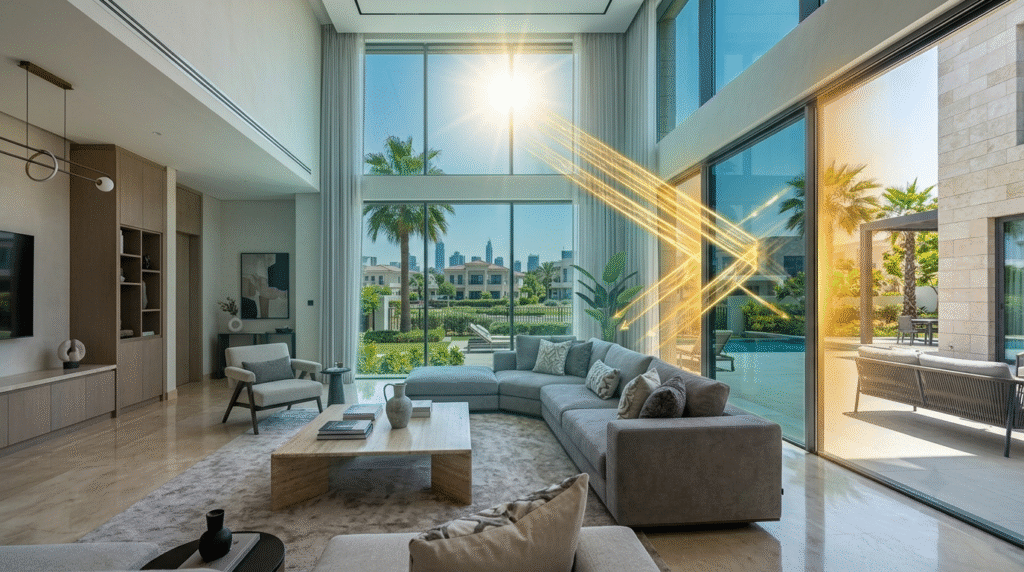
Windows are one of the main points through which solar heat enters a building. Standard glass allows sunlight and infrared radiation to pass through, warming rooms throughout the day.
Window films are designed with layers that can reflect or absorb portions of solar energy before it enters your home. Depending on the type of film selected, this can reduce solar heat gain and help maintain more consistent indoor temperatures.
As a result, your air conditioner may not need to work as hard to maintain your preferred temperature.
Benefits of Heat Reduction Window Tint in Dubai
1. Keeps Rooms Cooler
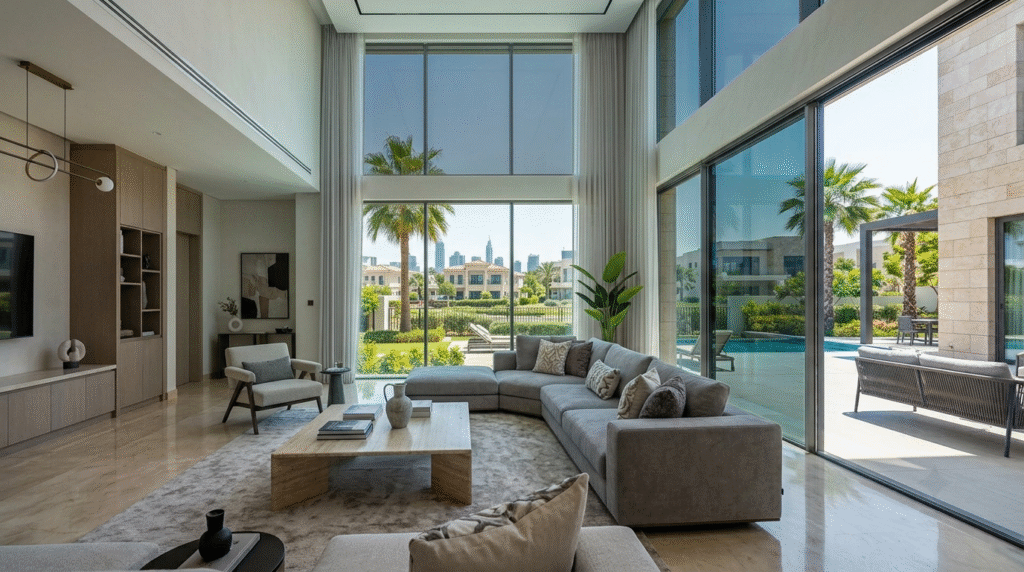
One of the biggest advantages of residential window tinting is improved indoor comfort. By reducing the amount of solar heat passing through the glass, window film can help rooms feel cooler, especially in areas exposed to direct afternoon sunlight.
This can be particularly useful for living rooms, bedrooms, home offices, and other spaces with large windows.
2. Can Help Reduce Air Conditioning Use
When less heat enters through the windows, your air conditioning system may have less cooling work to do. Over time, this can contribute to lower energy consumption.
The actual savings will depend on factors such as the size and orientation of your windows, the type of glass, the window film selected, insulation, and how your air conditioning system is used.
3. Reduces Glare
Dubai’s strong sunlight can create uncomfortable glare on televisions, computer screens, and other surfaces. Window tint can reduce excessive brightness while maintaining useful natural light.
This makes tinted windows especially beneficial for home offices and rooms with large glass areas.
4. Protects Furniture and Interiors
Continuous exposure to ultraviolet (UV) radiation can contribute to fading and deterioration of curtains, carpets, furniture, artwork, and flooring.
Many modern window films are designed to reject a high percentage of UV radiation. Adding window tint can therefore provide an additional layer of protection for valuable interiors.
5. Enhances Privacy
Certain window films can make it more difficult for people outside to see into your home, depending on the film’s design and the lighting conditions.
Privacy films are available in different shades and finishes, allowing homeowners to balance privacy, appearance, and natural light.
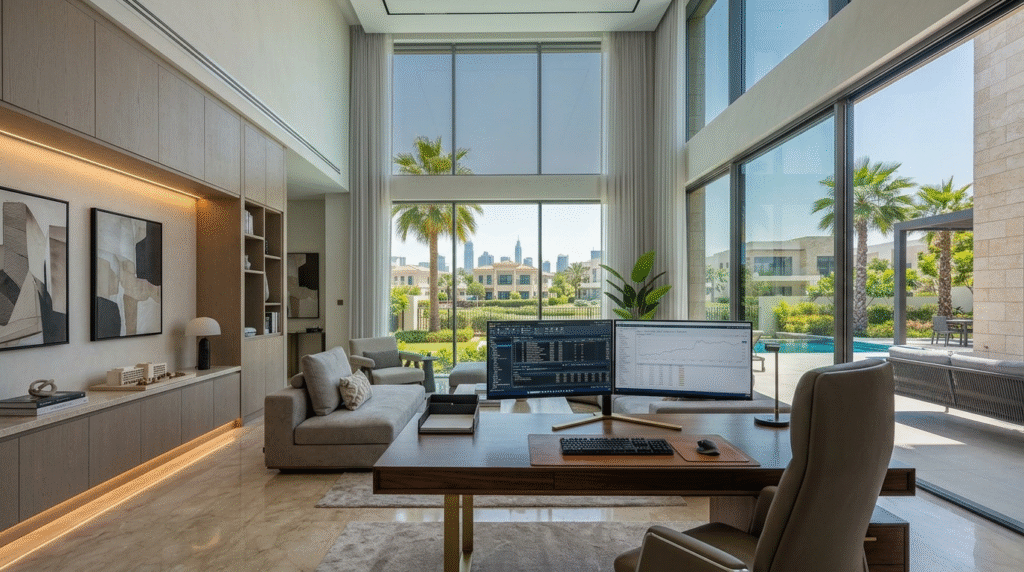
Is Window Tinting Suitable for Large Dubai Windows?
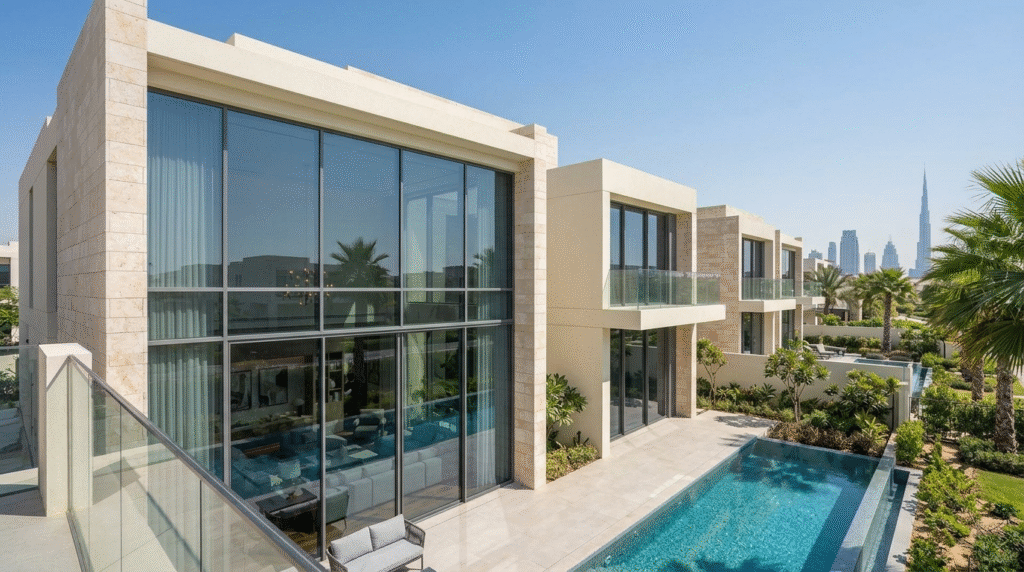
Yes. Window tinting can be particularly useful for homes with large glass doors, floor-to-ceiling windows, and expansive façades.
Large windows can allow considerable amounts of sunlight and solar energy into a property. Installing an appropriate solar-control film can help reduce this heat gain without requiring homeowners to completely block their windows with curtains or blinds.
For larger installations, it is important to have the glass and window film assessed by an experienced professional before installation.
Make Your Dubai Home More Comfortable
With Dubai’s strong year-round sunlight, managing solar heat can be an important part of maintaining a comfortable home. Heat reduction window tint in Dubai offers a way to reduce solar heat entering through windows while also helping with glare, UV exposure, privacy, and interior protection.
If your home has rooms that become noticeably hotter during the day, particularly those with large or sun-facing windows, professional window tinting may be worth considering as part of your overall approach to indoor temperature control.
Frequently Asked Questions
Yes. Solar-control window films are designed to reduce the amount of solar energy entering through the glass. The degree of heat reduction depends on the film, glass type, window orientation, and other building factors.
Not necessarily. Different films have different visible-light transmission levels. Some solar-control films are designed to provide heat rejection while maintaining relatively high levels of natural daylight.
It can potentially reduce cooling demand, which may contribute to lower electricity consumption. However, actual savings vary depending on the property, windows, air-conditioning system, and film specification.
Lifespan varies according to the film’s quality, installation, exposure, and maintenance. Always check the manufacturer’s warranty and care recommendations.
In many cases, yes. Solar-control film is commonly installed directly onto existing glass, provided the glass and film are compatible.